
Meet Michelle
Certified Hanna Somatic Practitioner
I came to somatics out of necessity, not curiosity. I was in pain. Deep, ongoing, frustrating pain that kept me from doing the things I love. Playing hockey, going to the gym, hiking in the woods… all of it slowly became out of reach. I tried to push through. I tried to ignore it. I made some desperate choices just to feel a little better. But nothing really worked.
Somatic movement was the first thing that helped in a real way. Not by fixing me, not by forcing anything, but by helping me listen to my body instead of fighting it. It was subtle, but powerful. Over time, I started to feel more like myself again. I could move. I could breathe. I could rest. I had a better quality of life.
That’s why I do this work.
I work with people who are in pain-physically, emotionally, or both.
"I work with people who are in pain. Physically, emotionally, or both."
People who’ve pushed their bodies to the edge like athletes, tradespeople, and everyday movers who’ve been told to just “push through it.” People who carry trauma, tension, and stress that shows up in their bodies, often without even realizing it.
Not everyone connects with the yoga studio or spiritual healing world and that’s okay. I didn’t either.
My sessions are practical, personalized, and grounded in what you want to shift or change. We work with your body, not against it. Gently, gradually, and without adding more pain to what's already there.
And somatics isn’t just about recovery. It’s about unlocking your potential. Releasing tension can help you move with more efficiency and power. So whether you're skating, hiking, working, or just getting through the day, you can do it with greater ease and less strain.

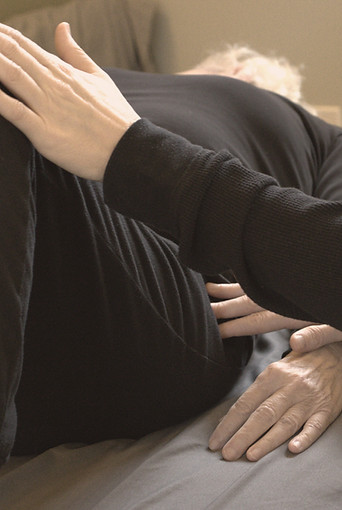
What is Somatics
Somatics is a body-based approach to healing that helps you move with more ease, awareness, and connection. It’s about tuning in to how your body feels from the inside out, and learning how to release patterns of tension that cause pain or keep you stuck.
We don’t force or stretch. We don’t push through discomfort. Instead, we slow down and pay attention. Through small, intentional movements, your nervous system learns how to relax, rebalance, and move in a way that feels better.
"...your nervous system learns how to relax, rebalance, and move in a way that feels better."
You can think of it like reprogramming your body’s default settings. Undoing the habits, holding patterns, and stress responses that build up over time through injury, trauma, or just daily life.
It’s gentle. It’s subtle. But it works.
Somatic movement is great for:
-
Chronic pain and injury recovery
-
Athletes and physically demanding jobs
-
People with stress or trauma stored in the body
-
Anyone feeling disconnected from their body or tired of pushing through
This is a practice of reconnection. Not perfection. Not performance. Just a better relationship with your body, one small movement at a time.